
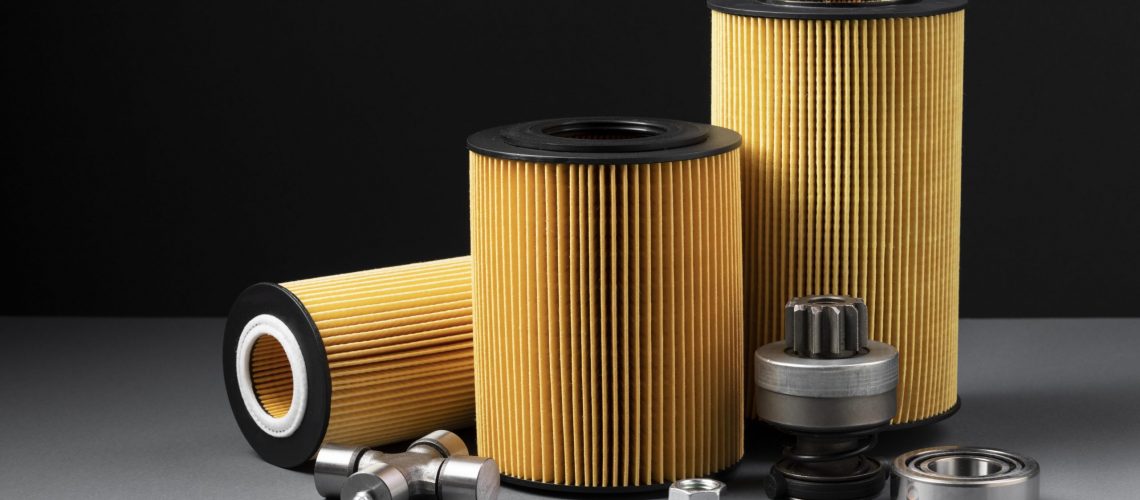
In hydraulic systems, the role of hydraulic intake filters cannot be overstated. These unassuming components are pivotal in safeguarding hydraulic systems from contaminants, ensuring optimal performance, and extending the lifespan of critical machinery. This article delves into the world of hydraulic intake filters, exploring their functions, benefits, and the crucial role they play in maintaining the health of hydraulic systems.
Understanding hydraulic intake filters
At the heart of hydraulic systems lies a delicate balance of pressure, flow, and precision. Hydraulic intake filters are the first line of defence, strategically positioned to intercept and capture contaminants before they infiltrate the system. These contaminants, ranging from dust and dirt to microscopic particles, have the potential to wreak havoc on the delicate internals of hydraulic components.
Functions of hydraulic intake filters
- Contaminant removal: The primary function of hydraulic intake filters is to remove contaminants from the fluid before it enters the hydraulic system. This includes particles such as dust, dirt, metal shavings, and other debris that could compromise the efficiency and performance of the hydraulic components.
- Preventing wear and tear: By capturing and preventing contaminants from circulating within the hydraulic system, intake filters significantly reduce the wear and tear on vital components such as pumps, valves, and actuators. This proactive approach enhances the overall reliability of the hydraulic system.
- Maintaining fluid purity: Hydraulic systems rely on clean and pure hydraulic fluid to function optimally. Intake filters maintain fluid purity by preventing foreign particles from degrading the quality of the hydraulic fluid. Clean fluid contributes to smoother operation and improved system efficiency.
Types of hydraulic intake filters
- Mesh filters: Commonly made of stainless steel or synthetic materials, mesh filters trap larger particles and debris. They are often the first layer of defence in hydraulic intake systems.
- Paper or fibrous filters: These filters are designed to capture smaller particles and provide a higher level of filtration. They are often used with mesh filters to ensure comprehensive contaminant removal.
- Magnetic filters: Employing the power of magnets, these filters attract and capture ferrous particles, such as metal shavings, enhancing the overall efficiency of the filtration process.
Benefits of hydraulic intake filters
- Extended component lifespan: By preventing contaminants from entering the hydraulic system, intake filters contribute to the longevity of critical components. This results in reduced maintenance costs and downtime.
- Improved system performance: Clean hydraulic fluid ensures the system operates at peak performance levels. This is crucial for applications where precision and reliability are paramount.
- Cost savings: Investing in high-quality hydraulic intake filters is a cost-effective strategy in the long run. It mitigates the risk of component failure, costly repairs, and the need for frequent fluid changes.
Maintenance and replacement
Regular maintenance and timely replacement of hydraulic intake filters are imperative to ensure their effectiveness. Monitoring pressure differentials and adhering to manufacturer-recommended replacement intervals are key practices to uphold the efficiency of the hydraulic filtration system.
Contact Concept Filtration today for details
Contact us today for more information about our hydraulic intake filters.