
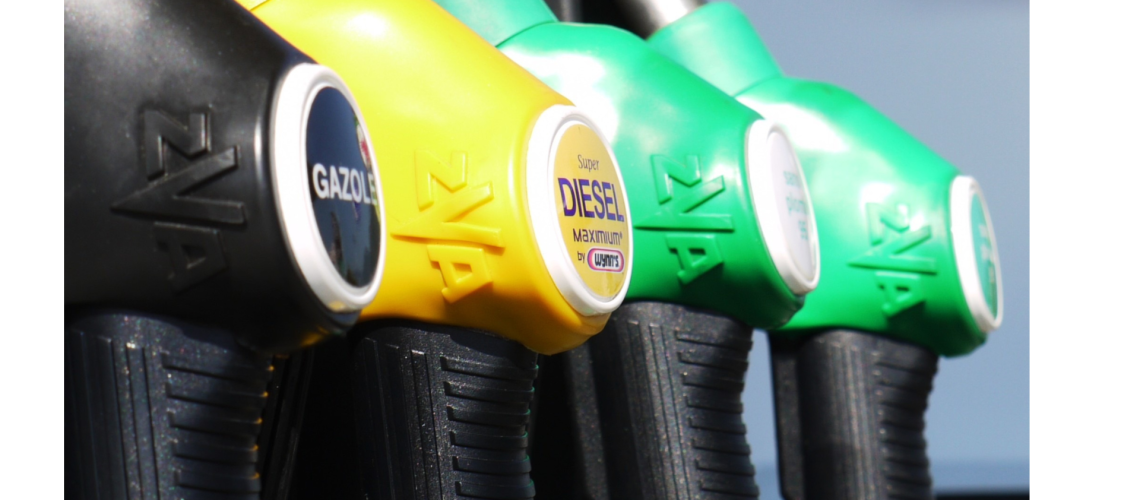
Diesel engines are widely known for their efficiency, durability, and ability to generate significant power for industrial, commercial, and automotive applications. However, for these engines to maintain optimal performance, keeping the diesel fuel clean and free from contaminants is crucial. This is where diesel fuel filtration systems come into play. Diesel fuel filters are designed to remove harmful particles, water, and other impurities from the fuel, ensuring the engine runs smoothly and efficiently.
In this article, we will explore the different filters used in diesel fuel systems, the importance of diesel fuel filtration, and how to choose the right filters to protect your engine.
The Importance of Diesel Fuel Filtration
Diesel fuel is often subject to contamination by dirt, rust, water, and other impurities during production, storage, and transport. These contaminants can enter the fuel system and cause severe damage to fuel injectors, pumps, and other critical engine components. Contaminants can also degrade fuel quality, leading to poor engine performance, higher fuel consumption, and increased emissions.
Diesel fuel filtration is essential to:
- Protect the engine: Removing contaminants helps prevent damage to sensitive fuel system components, reducing the risk of costly repairs.
- Improve engine performance: Clean fuel ensures efficient combustion, leading to better performance and fuel economy.
- Extend the lifespan of engine components: Proper filtration minimises wear and tear on fuel injectors and pumps, helping them last longer.
- Reduce emissions: Cleaner fuel leads to more complete combustion, lowering harmful emissions.
Types of Filters Used in a Diesel Fuel System
Primary Fuel Filter (Pre-filter)
The primary fuel filter, also known as the pre-filter, is typically the first line of defence in a diesel fuel filtration system. This filter captures larger particles, such as dirt, rust, and debris, before the fuel reaches the secondary filter and the engine’s sensitive components.
Key Features:
- Location: Positioned between the fuel tank and the secondary fuel filter.
- Function: Removes coarse particles and prevents them from clogging the secondary filter.
- Water Separation: Some primary fuel filters have a water separation feature to remove water from the fuel, which is critical for preventing corrosion and fuel injector damage.
Secondary Fuel Filter
The secondary fuel filter removes smaller particles that pass through the primary filter. This filter is crucial for protecting the high-precision components of the fuel injection system, such as fuel injectors and high-pressure fuel pumps. Even tiny particles can cause significant wear on these parts, leading to poor engine performance or failure.
Key Features:
- Location: Positioned downstream from the primary filter, usually closer to the engine.
- Function: Removes fine particles, typically in the range of 2 to 10 microns.
- Protection: Safeguards the most sensitive components of the fuel system by ensuring that only clean fuel reaches them.
Water Separator
Water is one of the most common contaminants in diesel fuel, and it can cause severe damage to the engine if not properly removed. Water separators are designed to capture and remove water from the diesel fuel before it enters the engine. Water can enter the fuel during storage or transportation due to condensation, leaks, or contamination at the source.
Key Features:
- Function: Separates water from the diesel fuel, preventing corrosion of metal components and injector damage.
- Drain Valve: Many water separators have a drain valve allowing operators to manually remove the accumulated water.
- Combined Units: Some modern fuel filters integrate filtration and water separation functions into a single unit for efficiency.
Inline Fuel Filter
Inline fuel filters are small, compact filters installed directly in the fuel line. They are often used in addition to primary and secondary filters to provide additional protection in specific areas of the fuel system. Inline filters can capture any remaining contaminants that the primary and secondary filters may have missed.
Key Features:
- Location: Positioned within the fuel line between other filters or fuel components.
- Function: Provides extra filtration to prevent contaminants from reaching the engine.
- Compact Design: Ideal for smaller applications or as a secondary safeguard.
Spin-On Fuel Filter
Spin-on fuel filters are commonly used in diesel fuel systems due to their ease of installation and replacement. These filters consist of a filter element housed within a metal or plastic canister that can be easily screwed onto the fuel system. Spin-on filters are available in various sizes and filtration capacities to suit different diesel engine applications.
Key Features:
- Function: Removes contaminants from the fuel, like primary or secondary filters.
- Design: The spin-on design makes it easy to replace without needing specialised tools.
- Versatility: Available for various diesel engines, from small automotive applications to large industrial engines.
Cartridge Fuel Filter
Cartridge fuel filters are another common filter used in diesel fuel systems. These filters comprise a replaceable filter element housed within a reusable filter housing. When the filter becomes clogged or dirty, only the filter element needs to be replaced while the housing remains in place.
Key Features:
- Function: Provides effective filtration by removing large and fine contaminants from the fuel.
- Design: The cartridge design allows for easy replacement of the filter element.
- Reusable Housing: Reduces waste by replacing only the filter element rather than the entire filter assembly.
Fuel Filter Water Separator (Integrated)
In some diesel fuel systems, the fuel filter and water separator are combined into a single integrated unit. This type of filter performs dual functions: it filters out contaminants while removing water from the diesel fuel. Integrated units are common in modern diesel engines, as they offer convenience and efficient filtration in a compact package.
Key Features:
- Function: Provides both filtration and water separation in one unit.
- Location: Typically installed between the fuel tank and the engine.
- Efficiency: Reduces the need for multiple filters, streamlining the fuel filtration process.
How to Choose the Right Fuel Filters for Your Diesel Engine
When selecting the appropriate fuel filters for your diesel engine, there are several factors to consider:
- Engine Specifications: The type of engine and its fuel injection system will determine the filtration requirements. High-performance engines with sensitive fuel injection components may require finer filtration.
- Fuel Quality: If you operate in areas with poor fuel quality or high contamination rates, you may need additional or more robust filtration systems.
- Operating Environment: Harsh operating environments, such as construction sites, agricultural fields, or marine applications, may expose the fuel system to higher levels of dirt, water, or contaminants, necessitating stronger filtration solutions.
- Water Contamination Risk: If water contamination is a concern, consider using diesel fuel filtration with integrated water separation or dedicated water separators to protect your engine.
- Maintenance Requirements: Some filters, like spin-on or cartridge filters, are easier to replace and maintain. When choosing your filtration system, consider the ease of maintenance and availability of replacement filters.
- Micron Rating: A fuel filter’s micron rating refers to the size of the particles it can capture. The lower the micron rating, the finer the filtration. Be sure to choose filters with an appropriate micron rating based on your engine’s needs.
FAQs About Diesel Fuel Filtration
What is the purpose of diesel fuel filtration?
Diesel fuel filtration is designed to remove contaminants such as dirt, rust, and water from the fuel, ensuring the engine runs smoothly, efficiently, and without damaging fuel system components.
What types of filters are used in a diesel fuel system?
A diesel fuel system typically uses a primary fuel filter (pre-filter), secondary fuel filter, water separator, inline filter, spin-on filter, and cartridge filter. Some systems may also use integrated fuel filter water separators.
Why is water separation necessary in diesel fuel systems?
Water in diesel fuel can cause corrosion, reduce fuel quality, and damage sensitive engine components like fuel injectors. Water separators remove water from the fuel to protect the engine and ensure efficient operation.
How often should diesel fuel filters be replaced?
The replacement frequency for diesel fuel filters depends on the manufacturer’s recommendations and the operating conditions. Typically, filters should be replaced every 10,000 to 30,000 kilometres, but following the specific guidelines for your engine is essential.
Can clogged fuel filters affect engine performance?
Yes, clogged fuel filters can restrict fuel flow to the engine, leading to poor engine performance, reduced power, increased fuel consumption, and potential engine damage.
What is a micron rating in fuel filters?
A micron rating refers to the size of particles a filter can capture. The lower the micron rating, the finer the filtration. For example, a 10-micron filter removes particles larger than 10 microns from the fuel.
What is the difference between a spin-on fuel filter and a cartridge filter?
A spin-on fuel filter is a self-contained unit that can be easily screwed on and off for replacement. On the other hand, a cartridge filter has a reusable housing, and only the internal filter element needs to be replaced when it becomes clogged.
Can I use a universal fuel filter in my diesel engine?
It is essential to use the fuel filter specified by the engine manufacturer. Using an incorrect or universal filter can lead to inadequate filtration, which may result in engine damage or poor performance.
Contact Concept Filtration today for details
By understanding the various diesel fuel filters and their importance in protecting the engine, you can ensure that your diesel engine operates efficiently, reliably, and with minimal risk of damage from contaminants. Regularly replacing and maintaining your fuel filters is key to keeping your engine in peak condition.
Contact us today for more information about our diesel fuel filtration solutions.