
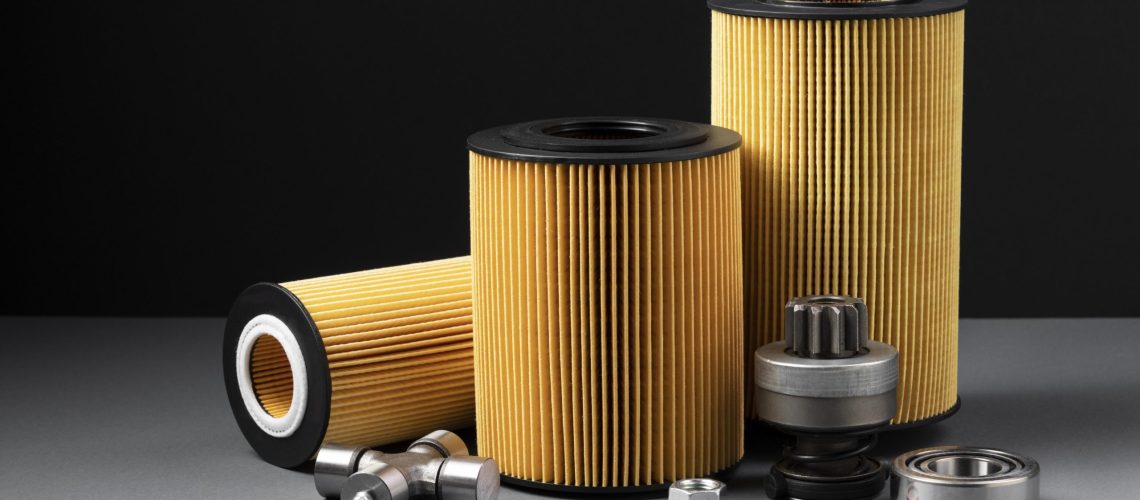
Fuel quality is not something businesses can afford to take for granted. Whether we are storing diesel for mining equipment, construction machinery, agricultural operations, generators, transport fleets, or industrial plants, the condition of the fuel inside the tank has a direct impact on performance, reliability, and cost. That is why bulk diesel tank cleaning should never be treated as an afterthought.
When diesel sits in storage tanks over time, contamination can build up quietly. Water ingress, particulate matter, sludge, microbial growth, rust, and degraded fuel can all compromise the condition of the diesel before it ever reaches an engine or a dispensing point. Even when the fuel looked fine on delivery, storage conditions and ongoing use can gradually change its quality. If that contamination is not addressed, the result can be blocked filters, reduced engine efficiency, injector issues, unplanned downtime, and expensive maintenance.
This is exactly why we place so much emphasis on bulk diesel tank cleaning as part of a complete fuel management strategy. It is not just about cleaning a tank for the sake of appearances. It is about protecting the diesel, the equipment, the filtration process, and the long-term operating cost of the business.
Concept Filtration provides diesel, fuel, and oil solutions designed around sustainability, economy, minimal maintenance, and dependable cleanliness performance, including bulk diesel transfer filtration, diesel dispensing filtration units, portable bulk diesel tank cleaning units, bag filter systems, coalescent water removal systems, and bulk tank breather systems. We also supply solutions across leading brands such as Ultra Fine Depth Filtration, Parker, Racor, and Icermax.
What Bulk Diesel Tank Cleaning Actually Means
Bulk diesel tank cleaning is the process of removing the contamination that collects inside fuel storage tanks and restoring the stored diesel to a cleaner, more usable condition. In practice, this can involve circulating fuel through specialised filtration systems, removing water, extracting dirt and sludge, cleaning settled contaminants from the base of the tank, and improving the overall cleanliness of the stored product.
A proper tank cleaning approach does not only target visible contamination. It also deals with the hidden issues that develop over time, especially where tanks are exposed to changing temperatures, moisture, inconsistent fuel turnover, or poor breathing conditions. Water is one of the biggest concerns because once water enters a diesel storage environment, it can accelerate corrosion, promote microbial activity, and reduce the overall quality of the fuel.
That is why bulk diesel tank cleaning should be seen as part of a broader protection system rather than a once-off response to a crisis.
Why Diesel Tanks Become Contaminated
Diesel tanks are constantly exposed to conditions that can compromise fuel quality. Even closed systems are not immune. Every time a tank breathes, receives fuel, dispenses fuel, or sits partially full, there is potential for contamination to enter or develop.
Common causes include:
- Condensation forming inside the tank due to temperature fluctuations
- Water entering through poor seals, vents, or handling processes
- Dirt and particulate contamination introduced during fuel delivery or transfer
- Rust and internal tank scale from ageing infrastructure
- Sludge and sediment settling at the bottom of the tank
- Microbial growth where water and fuel meet
- Poor filtration at transfer or dispensing stage
Over time, even small amounts of contamination can turn into a serious operating problem. The challenge is that many businesses only discover the issue once engines begin showing symptoms or filters start blocking faster than expected.
The Real Business Risk of Dirty Bulk Diesel
Dirty diesel does more than reduce fuel quality. It creates a chain reaction throughout the operation.
When contaminated diesel moves through storage, transfer, and dispensing systems, it places unnecessary strain on pumps, filters, injectors, and engines. Water and particles can affect combustion efficiency, shorten component life, and lead to inconsistent equipment performance. In generator applications, contaminated fuel can compromise standby reliability. In fleet and plant environments, it can increase breakdown risk. In high-uptime industries, that kind of disruption becomes costly very quickly.
Bulk diesel tank cleaning matters because it helps us intervene before those problems escalate. Instead of waiting for damage to show up in the field, we can address contamination at source.
Why Tank Cleaning Is So Important in South African Conditions
South African operations often depend heavily on stored diesel. Many businesses run fleets, backup generators, heavy equipment, agricultural machinery, and fixed industrial systems that cannot afford unreliable fuel. In remote locations or high-demand environments, diesel storage is not a convenience. It is a critical operational asset.
That makes fuel cleanliness even more important. If bulk tanks are not properly maintained, the entire supply chain downstream is exposed. Every litre drawn from the tank carries the risk of contamination unless the storage and filtration system is doing its job.
A clean tank supports cleaner transfer, cleaner dispensing, and better fuel condition at point of use. That means better protection for high-value assets and more confidence in day-to-day operations.
The Link Between Tank Cleaning and Filtration Performance
One of the biggest mistakes businesses make is assuming that downstream filters alone will solve a dirty tank problem. They will help, but they are not a substitute for addressing contamination inside the bulk tank itself.
If the tank contains settled sludge, water, or heavy particulate matter, filtration units are forced to work harder than they should. That can lead to shortened filter life, more frequent maintenance, reduced flow efficiency, and higher consumable costs. In other words, poor tank hygiene undermines the value of the filtration system.
This is why a complete solution matters. Concept Filtration’s offering is built around diesel, fuel, and oil cleanliness without bypassing or filtration medium compromise, with a focus on OEM warranty peace of mind, water and particulate cleanliness standards, and competitive operating costs.
When we combine bulk diesel tank cleaning with the right transfer filtration, dispensing filtration, water removal, and breather protection, we create a stronger overall fuel quality system.
How Portable Bulk Diesel Tank Cleaning Units Add Value
Portable cleaning capability can make a major difference in practical operations. Instead of treating tank cleaning as a disruptive major project, a portable system allows the process to be carried out more flexibly and efficiently across sites and tank setups.
Concept Filtration specifically offers portable bulk diesel tank cleaning units, which is important for businesses that need adaptable, on-site fuel cleaning support rather than a one-size-fits-all approach.
Portable cleaning units are especially valuable where:
- Multiple tanks need ongoing maintenance
- Fuel quality must be restored without major operational interruption
- Remote or industrial sites require on-site service flexibility
- Stored fuel needs to be cleaned and recovered economically
- Preventative maintenance is preferred over reactive repair work
This supports a more proactive approach to diesel management and helps businesses respond faster to contamination concerns.
The Importance of Water Removal in Bulk Diesel Tanks
Water is one of the most damaging contaminants in diesel storage. It does not belong in the tank, and once it is present, it creates several risks at once. It can reduce fuel quality, encourage corrosion, and create the conditions for biological contamination.
That is why water removal should never be treated as optional. Concept Filtration includes coalescent water removal systems as part of its diesel, fuel, and oil solution range.
Coalescing technology plays an important role in helping separate and remove water from fuel streams. When used as part of an integrated solution, it improves the condition of the fuel and reduces the risk of water travelling further into the system.
Why Breather Protection Also Matters
Tank contamination does not only happen during delivery or transfer. It can also happen through the way the tank breathes. As fuel levels rise and fall, air moves in and out of the tank. If that incoming air is not controlled properly, airborne contaminants and moisture can contribute to fuel degradation over time.
Concept Filtration offers bulk tank breather systems, which support cleaner storage conditions by helping protect the tank from environmental contamination.
This matters because real fuel protection starts at the tank itself. Good filtration downstream is essential, but preventing contamination from entering in the first place is just as important.
Why a Sustainable and Economical Approach Matters
Tank cleaning and diesel filtration should not only solve a technical problem. They should also make commercial sense. Businesses need fuel cleanliness solutions that are reliable, practical, and cost-conscious over the long term.
Concept Filtration positions its diesel, fuel, and oil solutions as 100% sustainable and economical, with minimal maintenance requirements and no compromise on filtration performance.
That matters because tank cleaning is not just about removing contamination today. It is about creating a system that keeps working tomorrow, next month, and over the long term without excessive maintenance burden or avoidable operating cost.
Protecting OEM Warranties and Equipment Reliability
For many businesses, fuel cleanliness is closely tied to equipment protection and warranty confidence. Modern diesel systems can be highly sensitive to contamination, especially where fine tolerances and precision components are involved.
By prioritising bulk diesel tank cleaning and proper filtration, we support the conditions that help protect expensive machinery and reduce avoidable fuel-related risk.
Signs Your Bulk Diesel Tank May Need Cleaning
Not every contamination issue is immediately obvious, but there are warning signs that should not be ignored. These include:
- Repeated filter blockages
- Visible water or haze in fuel samples
- Sediment or sludge found in the tank
- Poor engine performance linked to fuel quality
- Increased injector or pump issues
- Irregular generator or plant performance
- Evidence of rust or internal tank contamination
- Long storage periods with limited fuel turnover
If any of these signs are present, it may be time to assess the tank rather than continuing to treat symptoms further downstream.
A Smarter Approach to Diesel Storage Protection
The most effective fuel management strategy is never based on one component alone. It combines tank hygiene, transfer filtration, dispensing filtration, water removal, breathing control, and suitable filtration media into a complete protection approach.
That is where Concept Filtration’s product range becomes especially relevant. We offer various brands and diesel, fuel, and oil combinations to deliver the best possible solution and protection for different applications, rather than forcing every operation into a single standard setup.
For businesses that rely on bulk diesel every day, that kind of tailored support is essential.
FAQs About Bulk Diesel Tank Cleaning
What is bulk diesel tank cleaning?
Bulk diesel tank cleaning is the process of removing water, sludge, sediment, particulates, and other contaminants from a diesel storage tank to improve fuel quality and protect downstream equipment.
Why is bulk diesel tank cleaning important?
It is important because contamination inside the tank can lead to blocked filters, reduced engine efficiency, equipment wear, fuel degradation, and costly downtime.
How often should a bulk diesel tank be cleaned?
The ideal cleaning frequency depends on tank size, storage conditions, fuel turnover, contamination levels, and the sensitivity of the equipment using the diesel. Tanks exposed to water ingress or heavy particulate contamination may require more frequent attention.
Can dirty bulk diesel damage equipment?
Yes. Contaminated diesel can affect pumps, injectors, filtration components, and engines. Over time, this can reduce reliability and increase maintenance costs.
Does tank cleaning remove water from diesel?
A proper diesel tank cleaning strategy can address water contamination, especially when supported by suitable water removal technology such as coalescent systems.
What causes contamination in a bulk diesel tank?
Common causes include condensation, poor tank breathing, dirt introduced during filling, water ingress, rust, sludge build-up, and long fuel storage periods.
What solutions does Concept Filtration offer for bulk diesel tank cleaning?
Concept Filtration offers portable bulk diesel tank cleaning units as part of a broader diesel, fuel, and oil solution range that also includes bulk diesel transfer filtration, diesel dispensing filtration units, bag filter systems, coalescent water removal systems, and bulk tank breather systems.
Which brands does Concept Filtration provide?
Concept Filtration provides solutions across brands, including Ultra Fine Depth Filtration, Parker, Racor, and Icermax.
Speak to Us About Cleaner, Better-Protected Diesel
Bulk diesel tank cleaning is important because the tank is where fuel quality is either protected or compromised. Once contamination builds up in storage, the effects spread through the entire system. Pumps, dispensers, filters, engines, and operating budgets all feel the impact.
By cleaning the tank, removing water, controlling particulates, and supporting the fuel with the right filtration technology, we can protect equipment, improve reliability, reduce maintenance pressure, and make better use of every litre in storage. If your operation depends on stored diesel, now is the time to take fuel cleanliness seriously. We help businesses protect their tanks, equipment, and fuel quality with sustainable, economical diesel, fuel, and oil solutions designed for real-world performance. From portable bulk diesel tank cleaning units and bulk diesel transfer filtration to diesel dispensing filtration units, coalescent water removal systems, bag filter systems, and bulk tank breather systems, we provide solutions built to reduce contamination risk and support dependable operation. Contact us today to discuss the right bulk diesel tank cleaning solution for your site.